
It usually starts small. A packed inbox, a tight deadline, a late bill, a day when everything seems to land at once. You tell yourself it will pass, and often it does. But for many people, the pressure never quite switches off. Shoulders stay tight, sleep gets lighter, and a short temper becomes the new normal.
The good news is that stress responds well to simple habits. You don’t need expensive gadgets or a perfect routine. This guide explains how to reduce stress using approaches that have real research behind them, and it is honest about what works, what is overhyped and when it is time to get extra help.
What Stress Actually Is
Stress isn’t just a feeling. It is a full body response designed to help you deal with a challenge. When your brain senses a threat or pressure, it signals your body to release hormones such as adrenaline and cortisol. Your heart beats faster, your breathing quickens and your muscles tense, all to prepare you to act.
Short Term Stress Is Normal
In short bursts, this response is useful. It helps you meet a deadline, react to danger or perform under pressure. Once the challenge passes, your body is meant to calm down again.
Why Long Term Stress Is a Problem
The trouble starts when stress is constant. Ongoing pressure keeps the body in a state of alert, and over time it can affect sleep, mood, digestion, concentration and general health. This is why building regular calming habits matters. They help your body practice switching off.
Common Signs of Too Much Stress
People often notice trouble sleeping, headaches, muscle tension, irritability, difficulty concentrating, changes in appetite and feeling overwhelmed. Everyone is different, so pay attention to what is normal for you and notice when things change.
Natural Ways to Reduce Stress and Anxiety
The following habits are among the best supported by research. You don’t need to do them all. Pick two or three that fit your life and build from there. These natural ways to reduce stress and anxiety work best when practiced regularly instead of occasionally.
Move Your Body
Physical activity is one of the most reliable stress relievers. Exercise helps burn off tension, improves mood and supports better sleep. Health guidelines for adults suggest around 150 minutes of moderate activity each week, but even short walks help. A brisk 10 to 20 minute walk is a great place to start. Activities you enjoy, such as dancing, swimming, cycling or yoga, are easier to keep up.
Protect Your Sleep
Sleep and stress feed each other. Stress makes it harder to sleep, and poor sleep makes you more reactive to stress. Most adults need around seven or more hours a night. Keep regular sleep and wake times, make your bedroom dark and cool, and keep screens away from the last hour before bed. If you want a deeper dive into what really moves the needle, our sleep habits guide is worth a read.
Practice Slow Breathing
Breathing is one of the fastest ways to calm your body, because it directly affects your nervous system. Try breathing in gently through your nose for about four seconds, and breathing out slowly for about six. Repeat for a few minutes. Making your exhale longer than your inhale signals your body that it is safe to relax. You can do this at your desk, in a queue or before bed.
Try Mindfulness or Meditation
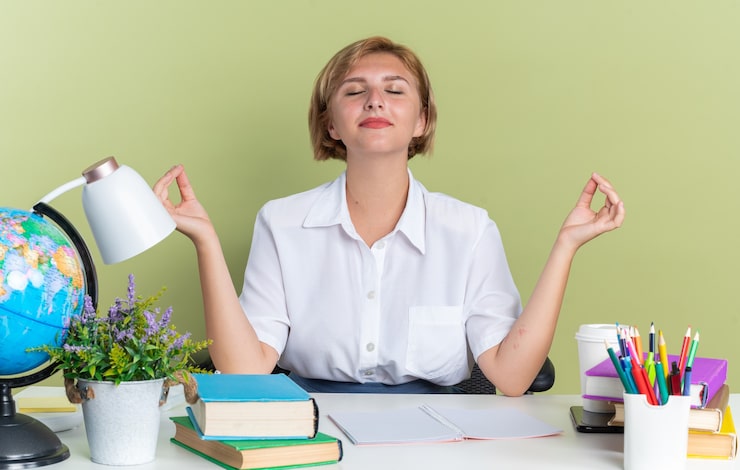
Mindfulness means paying attention to the present moment without judging it. Research suggests that regular practice can reduce stress and improve emotional balance for many people. You don’t need an hour. Even five minutes a day of sitting quietly and noticing your breath, sounds or body sensations can help. Guided apps and recordings are a good way to start.
Spend Time Outdoors
Time in green spaces is linked to lower stress and better mood. A walk in a park, a few minutes in the garden or sitting under a tree can all help. If you can, step outside during daylight, since morning light also supports your body clock and sleep.
Stay Connected With People
Social support is a powerful buffer against stress. Talking to a friend, sharing a meal or even a short phone call can make a difficult day easier. If you feel isolated, try joining a class, club or volunteer group to build regular contact.
Eat Regularly and Mindfully
Skipping meals or living on caffeine and sugar can make you feel jittery and worsen stress. Aim for regular meals with a mix of vegetables, whole grains, protein and healthy fats. Drink water through the day. You don’t need a perfect diet, just steady, nourishing meals.
Cut Back on Stimulants
Caffeine can raise alertness and, in some people, increase feelings of anxiety and disturb sleep, since its effects can last for hours. Try keeping coffee to the morning and notice how you feel. Alcohol may feel relaxing at first, but it often disrupts sleep and can worsen anxiety later, so keep it moderate.
Small Stress Breaks Through the Day
Short pauses add up. Stand up and stretch every hour, step away from screens at lunch, take three slow breaths before a meeting or look out of a window for a minute. These tiny resets stop stress from piling up.
How to Lower Cortisol Levels Naturally
Cortisol often gets blamed for everything, so it helps to understand it. It is a normal hormone that follows a daily rhythm, highest in the morning to help you wake up and gradually dropping during the day. You need cortisol. The goal isn’t to get rid of it, but to avoid having it stay high for too long. If you are wondering how to lower cortisol levels naturally, the answer looks much like the general stress advice above.
What Actually Helps
The habits with the best evidence are the unglamorous ones. Regular exercise, good sleep, mindfulness, social connection, time in nature and managing workload all help your stress response settle. Consistent routines matter more than any single trick.
What Is Mostly Marketing
Be cautious with products that promise to cut cortisol quickly. Many supplements and drinks are marketed this way, but the evidence behind them is often limited or mixed. Some herbal products, such as ashwagandha, have been studied, yet results vary, and they may not suit everyone, particularly people who are pregnant, take medication or have thyroid or other health conditions. Talk to a doctor or pharmacist before using any supplement.

It is also worth knowing that you can’t reliably check your cortisol at home. If you think something is medically wrong, such as persistent exhaustion, unexplained weight changes or other worrying symptoms, see a doctor who can assess you properly.
How Stress and Immunity Connect
Long term stress can affect how your body copes with illness, which is one more reason to look after your stress levels. Supporting your immune system comes down to the same fundamentals: sleep, movement, food and managing stress.
Building a Simple Daily Stress Routine
If all of this feels like a lot, here is an easy way to start. In the morning, get some daylight and have a proper breakfast. During the day, take a short walk, practice a few minutes of slow breathing and take a real lunch break. In the evening, set a time to stop working, reduce screens and wind down with something calm, such as reading, a warm shower or gentle stretching.
Start with one habit for a week. Once it feels natural, add another. Small, steady changes are much easier to keep than a complete overhaul.
Common Mistakes to Avoid
Many people try to fix everything at once and quit within days. Others wait until they are completely burned out before doing anything. Some rely only on quick fixes, such as caffeine, alcohol or scrolling, which can make things worse over time. And plenty of people think stress management means doing nothing, when in fact it often means building small, consistent routines.
Be kind to yourself too. Some days will go badly, and that is fine. What matters is the overall pattern, not a perfect streak.
When to Get Extra Support
Self care is helpful, but it isn’t always enough. If your stress feels overwhelming, lasts for weeks, interferes with work or relationships, or comes with constant worry, panic, low mood or trouble coping, speak to a doctor or a mental health professional. Talking therapies such as cognitive behavioral therapy have strong evidence for stress and anxiety. If you ever feel unsafe or think about harming yourself, contact your local emergency services or a crisis line right away.
Final Thoughts
Stress is a normal part of life, but it doesn’t have to run it. Move your body, protect your sleep, breathe slowly, spend time outside, stay connected and be careful about quick fixes. None of these are flashy, but together they make a real difference. Choose one thing to try today, and remember that looking after your mind is just as important as looking after your body.
This article is for general information only and isn’t medical advice. If you have health concerns, speak to a qualified professional.
Frequently Asked Questions
What is the fastest way to reduce stress?
Slow breathing is one of the quickest options. Breathe in for about four seconds and out for about six for a few minutes. A short walk or stepping away from the stressful situation can help too.
What are the best natural ways to reduce stress and anxiety?
Regular exercise, good sleep, mindfulness, time outdoors, social connection and balanced meals are among the best supported. Try a few and practice them consistently.
How can I lower cortisol levels naturally?
Focus on the basics. Exercise regularly, sleep well, practice relaxation, stay connected with others and limit caffeine and alcohol. Be cautious about supplements that promise quick results, and speak to a doctor first.
How long does it take to feel less stressed?
Some methods, like breathing or a walk, help within minutes. Building lasting change usually takes a few weeks of regular practice, so be patient and consistent.
When should I see a doctor about stress?
See a doctor if stress is overwhelming, lasts for a long time, affects your daily life or comes with panic, low mood or physical symptoms that worry you. Seek urgent help if you feel unsafe.