
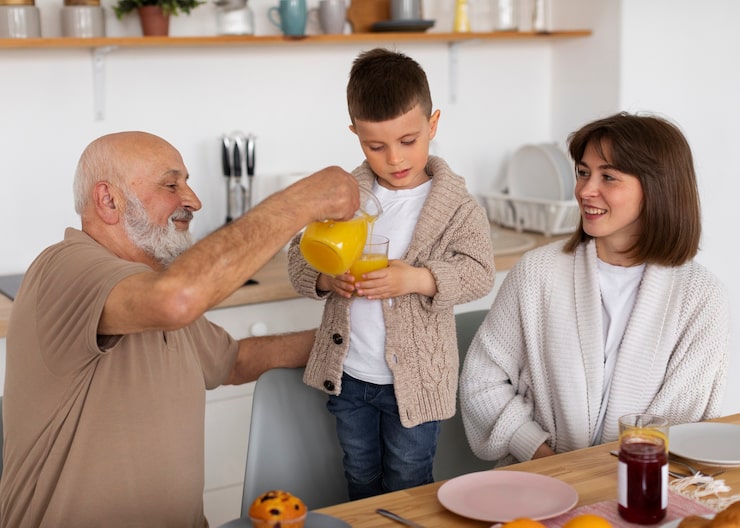
Health needs change as families grow. What works for young children may not suit teenagers. What supports busy parents may look different for older adults.
Yet one thing stays the same. Family health and wellness is built through simple habits that adjust with age, lifestyle, and daily demands. It does not require perfection or strict rules. It requires awareness, balance, and consistency.
When wellness fits real life, it becomes sustainable for everyone in the household.
Understanding Wellness Across Different Life Stages
Every stage of life brings unique challenges. Energy levels shift. Responsibilities increase. Bodies respond differently over time.
A practical approach focuses on meeting people where they are, not where they think they should be. This mindset removes pressure and makes healthy choices feel achievable.
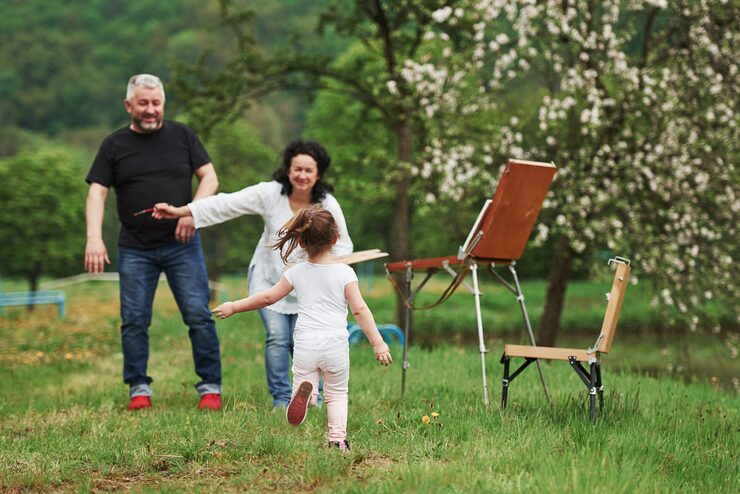
Supporting Children With Simple, Healthy Foundations
For children, wellness starts with structure and safety.
Regular meals, consistent sleep times, and daily movement create stability. These habits help children feel secure and support healthy growth. Emotional wellness also matters. Listening, patience, and routine check-ins build trust and confidence.
Children who grow up in balanced environments are more likely to carry those habits into adulthood.
Helping Teenagers Stay Balanced in a Busy World
Teen years often bring stress, academic pressure, and heavy screen use.
Instead of control, guidance works better. Encouraging open conversations, realistic routines, and healthy boundaries around sleep and technology helps teens manage both physical and emotional changes.
At this stage, family health and wellness benefits from flexibility. Teens need structure, but also respect for their growing independence.
Wellness Habits That Support Busy Adults
Adults often put their own health last. Work, family responsibilities, and stress can slowly take a toll.
Practical wellness for adults focuses on manageable habits. Regular movement, balanced meals, stress breaks, and consistent sleep patterns matter more than extreme routines.
Small daily choices help maintain energy, prevent burnout, and support long-term health.
Caring for Older Family Members With Intention
As family members age, wellness becomes more about comfort, mobility, and emotional connection.
Gentle activity, nutritious meals, and social engagement support both physical and mental health. Feeling included and valued plays a major role in overall well-being.
Respecting pace and encouraging independence where possible helps older adults maintain confidence and quality of life.
Creating Daily Habits That Work for Everyone
The most effective routines are simple and shared.
Eating meals together when possible, taking short walks, limiting screen time before bed, and maintaining consistent sleep schedules benefit all ages. These habits create rhythm and reduce daily stress.
Over time, they become part of family culture rather than chores.
Teaching Wellness Through Everyday Actions
Wellness lessons are often unspoken.
Children and teens learn by watching adults manage stress, prioritize rest, and maintain balance. When healthy behavior is modeled consistently, it feels natural rather than forced.
This is how family health and wellness becomes a long-term lifestyle, not a temporary goal.

Conclusion
There is no single formula for healthy families. What matters is adaptability, patience, and consistency.
By focusing on age-appropriate habits, open communication, and daily balance, families can support well-being at every stage of life. Start with small steps, adjust as needs change, and keep wellness practical.
Over time, these everyday choices create a stronger, healthier family foundation.