
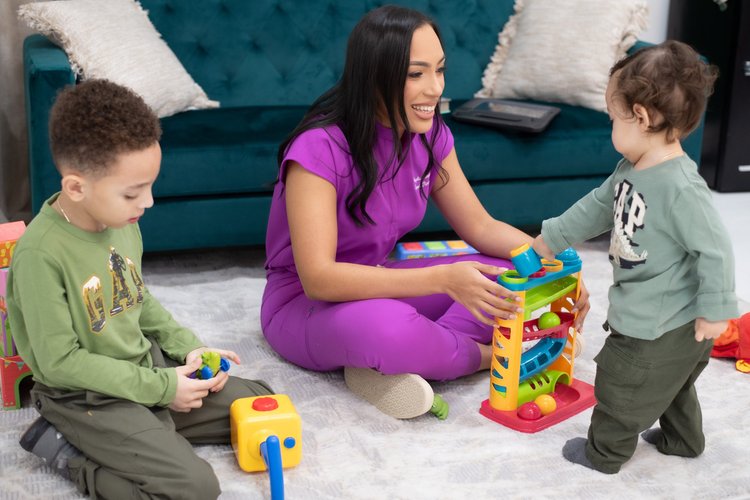
Many parents find themselves asking, When Should a Child Start Talking , especially when comparing their toddler to other children. It is completely natural to wonder whether your child’s speech is developing on schedule. While every child grows at their own pace, understanding typical speech milestones and recognizing early warning signs can help you decide when extra support may be beneficial.
Early Communication Begins Before Words
Speech development does not begin with the first word. From birth, babies communicate through crying, facial expressions, and body movements. By 2 to 4 months, cooing sounds typically emerge. Around 6 months, babies begin babbling repetitive sounds like “ba,” “ma,” or “da.”
Between 9 and 12 months, babbling becomes more varied. Babies may imitate sounds and respond to their name. Most children say their first meaningful word between 12 and 15 months. These early words often include “mama,” “dada,” or simple labels like “ball” or “milk.”
Understanding these early stages helps parents see that language growth is a gradual process.
Speech Milestones from One to Three Years
Between 12 and 18 months, many toddlers use at least a few single words consistently. By 18 months, vocabulary may expand to 10–20 words. Around age two, most children use 50 or more words and begin combining two words into short phrases such as “want juice” or “big dog.”
By age three, children typically speak in simple sentences of three to four words. Speech becomes clearer, and familiar adults can understand most of what the child says. While these are general guidelines, small variations are common.
If your child is slightly behind but steadily progressing, there may be no cause for concern. However, consistent delays may require evaluation.
Why Some Children Talk Later Than Others
Several factors can influence speech development. Hearing ability plays a significant role. Even mild hearing difficulties can impact how children learn sounds. Limited verbal interaction or excessive passive screen time may also slow language growth.
Some children understand language well but struggle to produce clear speech. Others may have motor speech differences or language processing challenges. Family history can also contribute. If close relatives experienced speech delays, a child may be more likely to develop similar patterns.
Recognizing these influences helps parents respond thoughtfully rather than with panic.
Red Flags That May Signal a Delay
Certain signs suggest a need for professional guidance. A child who is not babbling by 9 months, not using single words by 16 months, or not combining two words by age two may benefit from evaluation.
Persistent difficulty pronouncing sounds clearly beyond age three is another concern. In some cases, speech clarity issues may be related to Articulation Disorders, which affect how specific sounds are formed. Children may substitute, omit, or distort certain sounds, making speech difficult to understand.
Other warning signs include limited eye contact, difficulty following simple instructions, or frustration during communication attempts. Early assessment provides clarity and reassurance.
The Benefits of Early Speech Therapy
Early intervention offers significant advantages. During the first few years of life, the brain develops rapidly and is highly adaptable. Addressing concerns during this period strengthens communication pathways more effectively.
Speech therapy focuses on building vocabulary, improving sound production, strengthening comprehension, and supporting social communication. Therapy sessions are often play-based and child-led, making learning engaging and meaningful.
Family-centered therapy ensures parents are active participants. Caregivers learn strategies to support speech goals during everyday routines such as mealtime, bath time, and play.
What Happens During a Speech Evaluation?
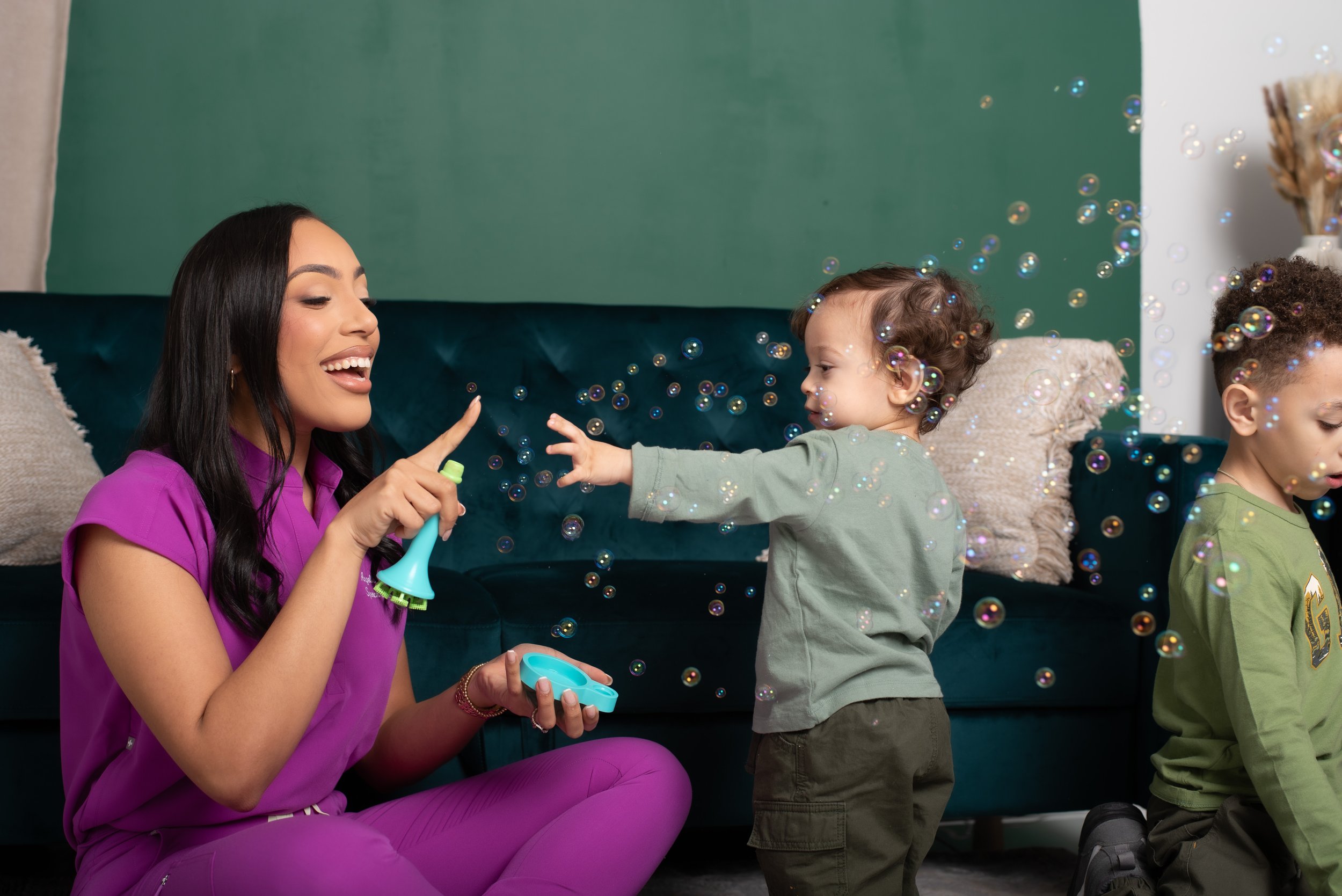
A comprehensive evaluation assesses speech sound production, language understanding, expressive skills, and social communication. The therapist may observe play interactions and use structured activities to gather information.
Parents share concerns and developmental history. Hearing screenings are often reviewed to rule out auditory issues. After evaluation, the therapist explains findings clearly and recommends next steps.
If therapy is recommended, an individualized plan is created based on the child’s strengths and needs.
Supporting Talking Skills at Home
Parents play a vital role in encouraging speech. Talking frequently with your child throughout the day supports vocabulary growth. Describe actions as they happen, label objects, and expand on your child’s attempts to communicate.
Reading books daily strengthens language development. Ask simple questions about pictures and pause to allow your child to respond. Singing repetitive songs and encouraging imitation of sounds can also improve speech skills.
Reducing passive screen time and increasing interactive conversation are powerful tools for supporting communication growth.
When to Seek Professional Help
If you are unsure about your child’s progress, trust your instincts. You do not need to wait until preschool to ask questions. Early consultation with a licensed speech-language therapist can provide valuable guidance.
Even if your child does not qualify for ongoing therapy, you may receive helpful strategies to use at home. Early reassurance can reduce anxiety and help you feel confident about your child’s development.
Conclusion
Every child develops differently, but understanding milestones helps answer the question, When Should a Child Start Talking. While small variations are normal, consistent delays or unclear speech may benefit from professional evaluation. Early, family-centered speech therapy can strengthen communication skills and build confidence. With the right support and consistent interaction at home, children can develop the skills they need to express themselves clearly and confidently.
Frequently Asked Questions
1. Is it normal for toddlers to understand more than they can say?
Yes. Many toddlers comprehend far more than they can verbally express. However, limited speech combined with other concerns should be evaluated.
2. Can late talking affect reading skills later?
Untreated speech or language delays can sometimes impact literacy development. Early support helps build a strong foundation for reading and writing.
3. Should I wait to see if my child catches up naturally?
If milestones are significantly delayed or you feel concerned, it is best to seek professional guidance rather than waiting. Early support leads to better long-term outcomes.