
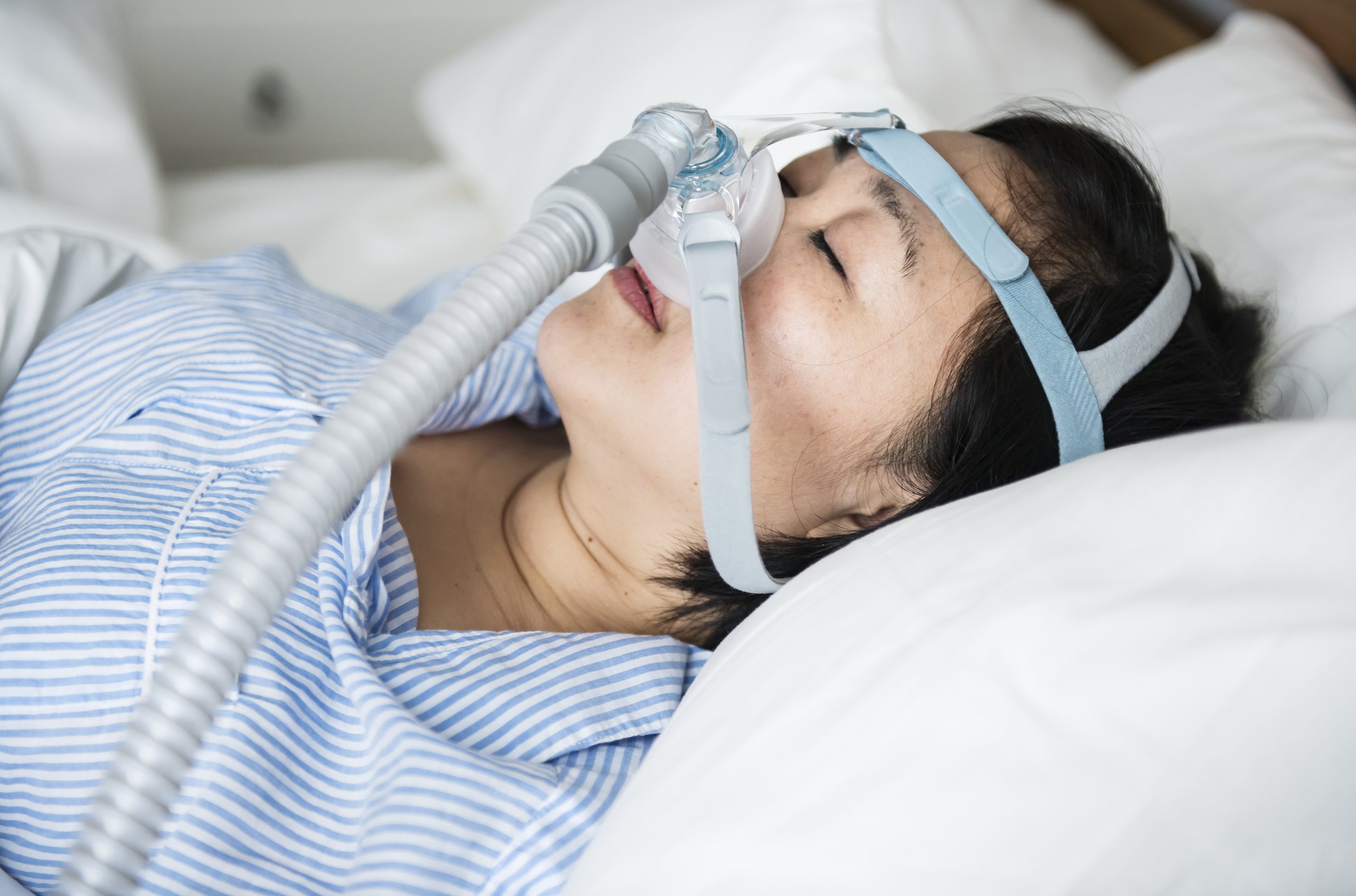
Sleep apnea is a common sleep disorder that affects more than 34 million adults in the United States today. Many people have different symptoms of this sleep disorder today but don’t pay much attention to them because they aren’t familiar with sleep apnea. If you fall in this category, then this post is all you need to better understand exactly what sleep apnea is. As you read on, you’ll discover everything worth knowing about the following frequently asked questions:
- What exactly are the main causes of sleep apnea?
- Are there different types of sleep apnea?
- Early warning signs to know you’re experiencing this sleep disorder.
- Why exactly is it important to treat sleep apnea today?
What exactly are the main causes of sleep apnea?
As earlier mentioned, sleep apnea affects more than 34 million adults in the US today. This sleep disorder occurs when you partially or completely stop breathing during sleep. Although this condition isn’t life-threatening in itself, it can be very dangerous if not treated quickly.
Many factors contribute to why millions of people globally experience sleep apnea today. The common cause is over-relaxation of the throat muscles. As these muscles relax, they block the upper airway. This “blockage” makes it harder for air to enter the lungs. Another common cause of sleep apnea is faulty brain signals. In this case, the patient will experience intermittent breath pauses.
What are the different types of sleep apnea?
Sleep apnea is available in different types today—two common ones are central sleep apnea and obstructive sleep apnea (OSA).
Obstructive sleep apnea
OSA is a type of sleep disorder that leads to involuntary breathing cessation during sleep. This disorder occurs because of the intermittent relaxation of the muscles around the throat. As they relax, the muscles block the upper airway, making breathing difficult, especially during sleep. OSA has different symptoms but the most common one is snoring.
Central sleep apnea
Central sleep apnea is different from OSA as this is mostly caused by improper signals from the brain. Every time the brain sends wrong signals, breathing will repeatedly stop and start. Unlike OSA, the throat muscles don’t over-relax. Instead, they fail to receive the right signals from the brain—which makes it harder to achieve stabilized breathing patterns. Medical conditions that affect the brain stem are usually the common cause of central sleep apnea.
What are the warning signs to know you have OSA or central sleep apnea?

Both obstructive and central sleep apnea have several different warning signs today. In the case of OSA, the most common sign is loud snoring. Other common signs include:
- Excessive drowsiness during the day
- Dry mouth
- Waking up choking
- Morning headaches
- Lack of focus
- Depression
- High blood pressure
- Swelling around the legs
- Severe fatigue
Why is it important to treat OSA today?
If OSA is not life-threatening in itself, then why should you prioritize treating your symptoms quickly? It’s simple, this sleep disorder will never go away on its own. Sadly, leaving it untreated for a long time can lead to complicated health conditions that can be life-threatening.
For instance, an untreated OSA can lead to lowered productivity at work. Besides, it can also cause irritation, hypertension, anxiety, and mood swings. Because of the inability to regulate your body’s insulin, sleep apnea can also cause diabetes.
You can visit iSleepBetter through its official page today to receive quality sleep tests and the best sleep apnea treatment.
